Company:
Amsterdam University of Applied Sciences
Year:
2025
Duration:
6 Months
Overview
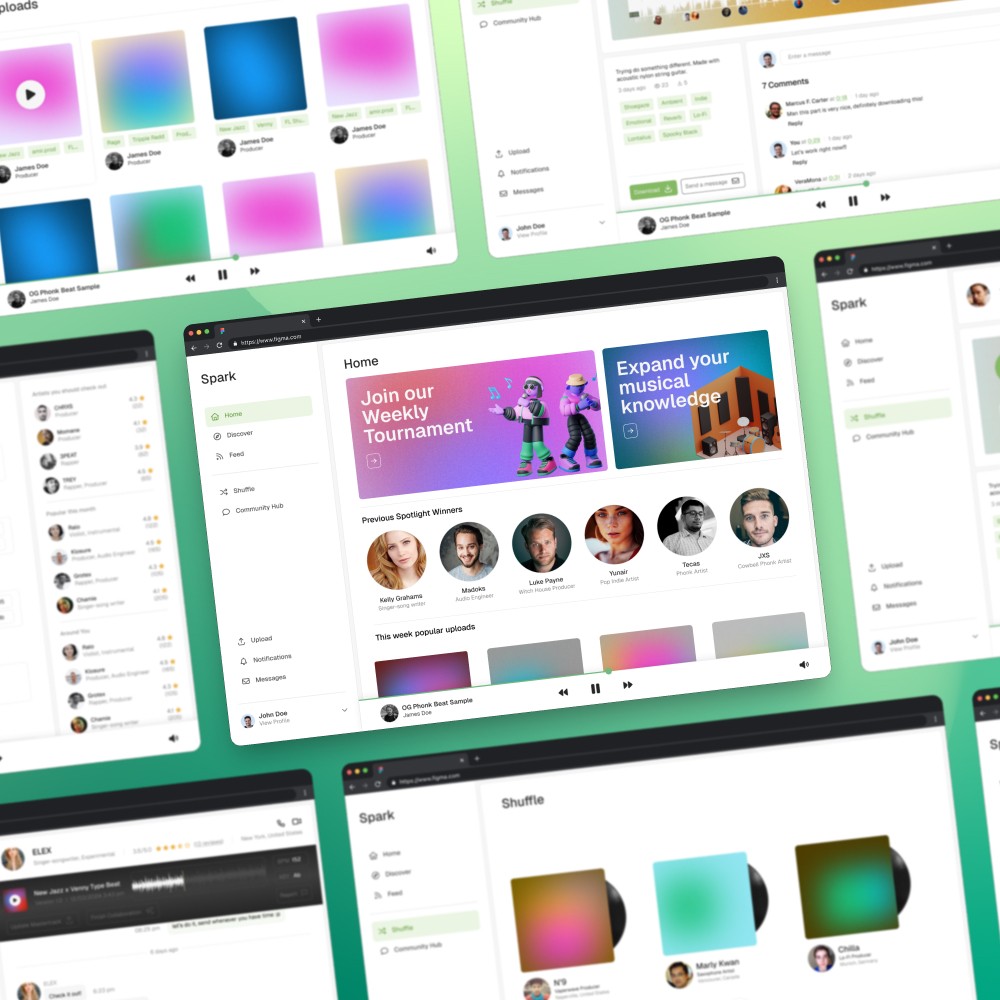
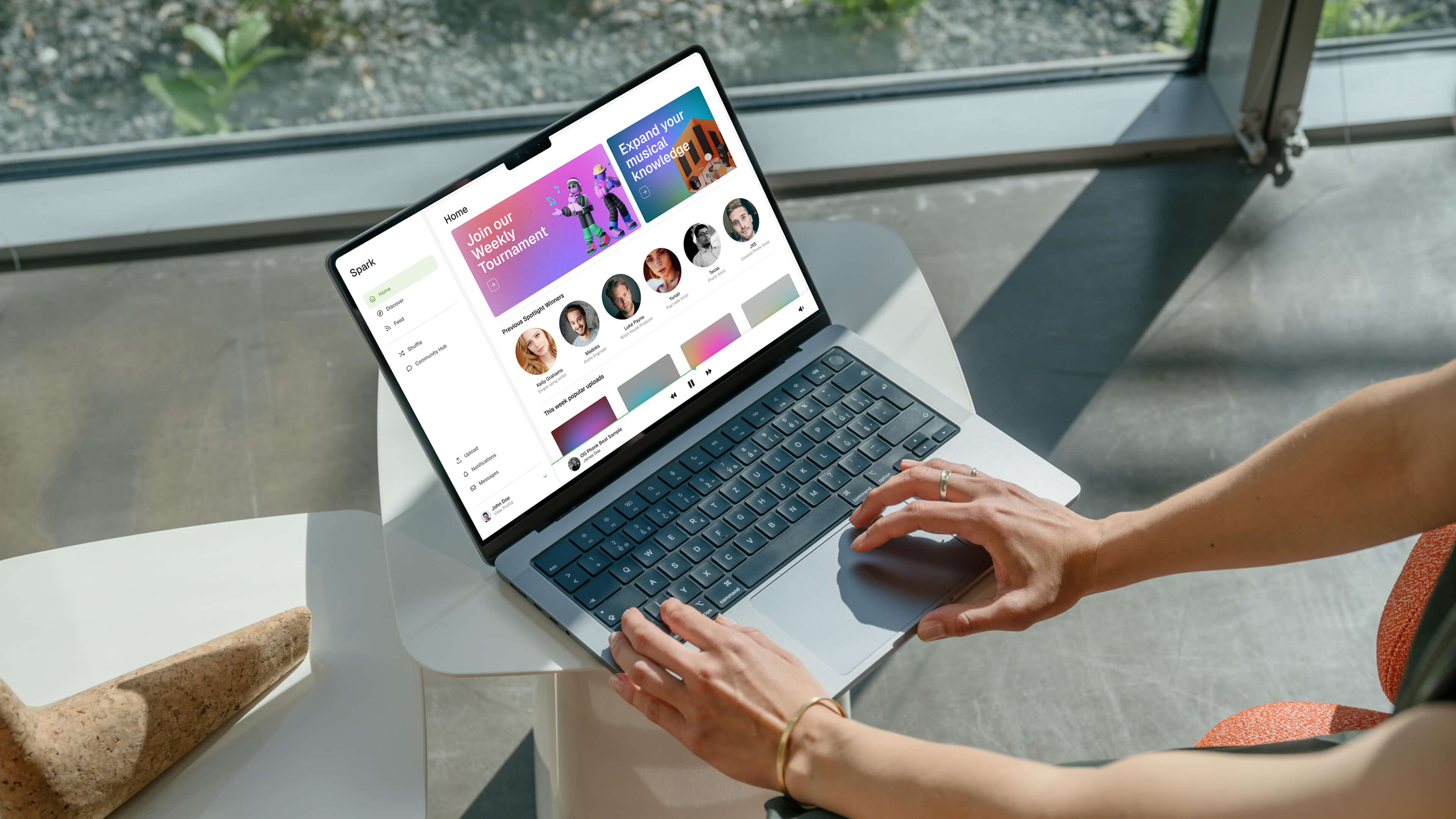
Spark is a digital platform designed to connect emerging and niche-genre musicians through authentic, creative collaboration. Built through a research-driven, iterative design process, the platform addresses key challenges in visibility, connection, and creative alignment.
My role covered the full UX process — from problem discovery through interviews, to gathering insights via user research and competitor analysis. Based on these findings, I developed core user flows, low-fidelity prototypes, and refined the experience through testing.
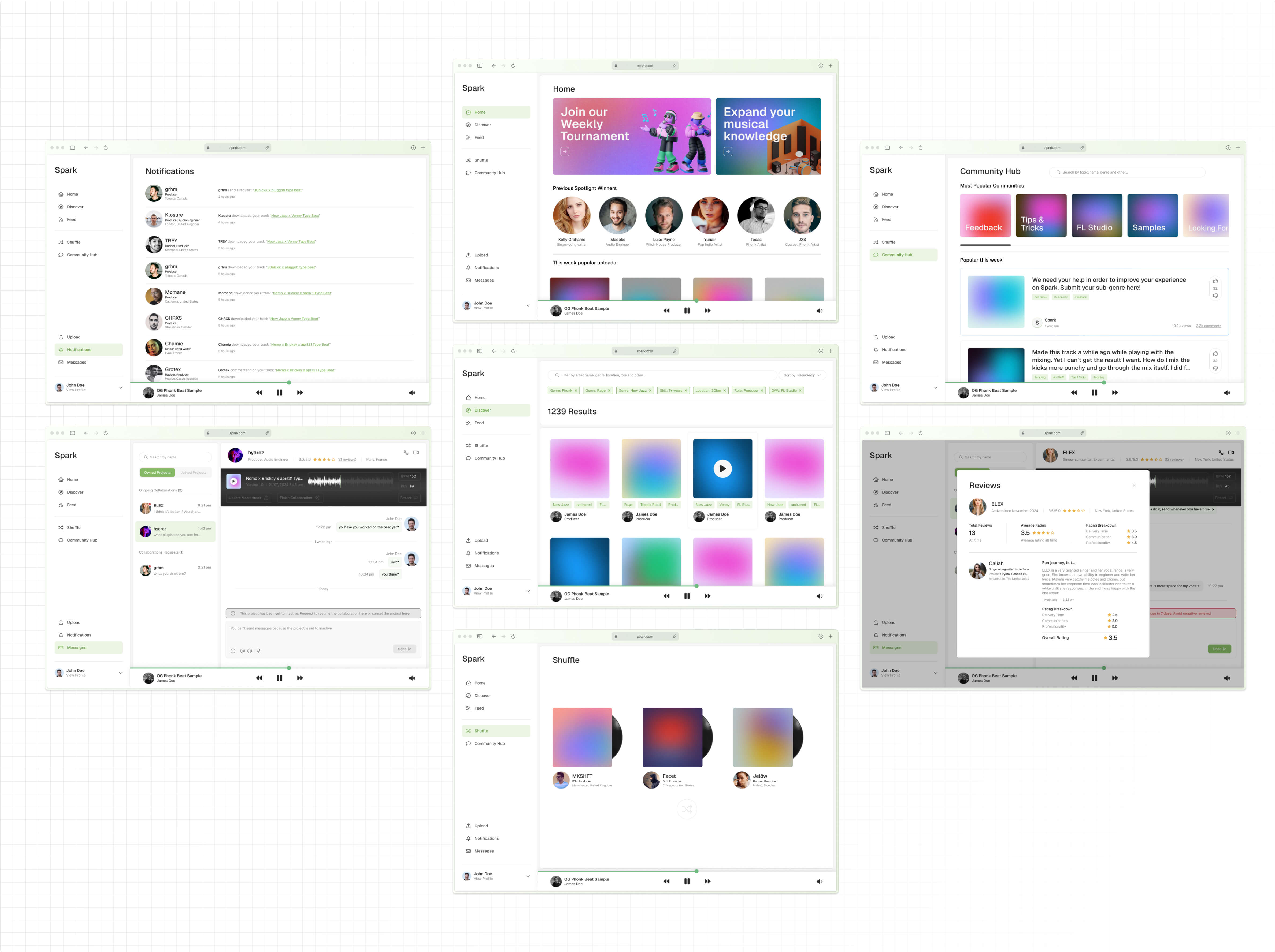
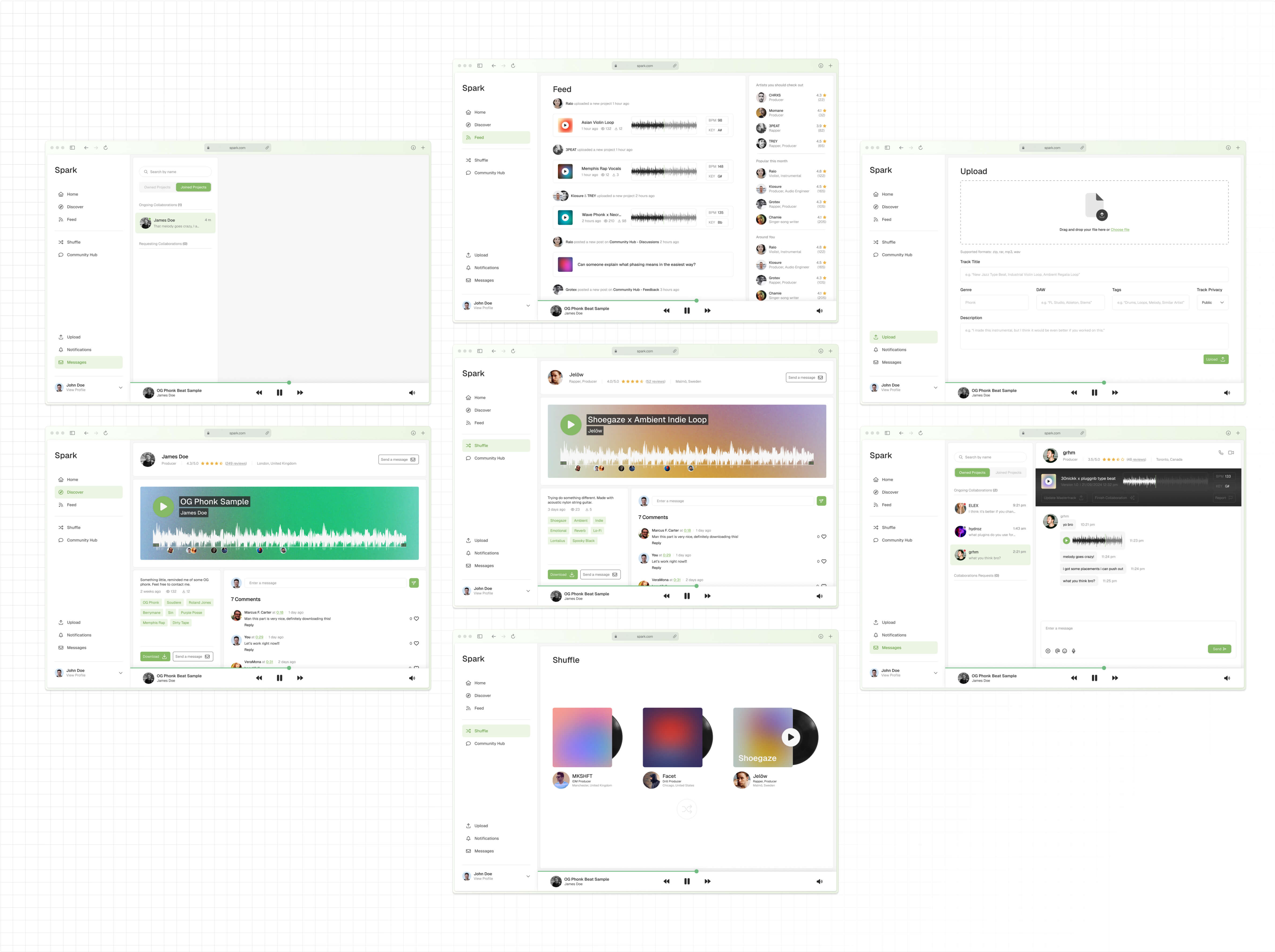
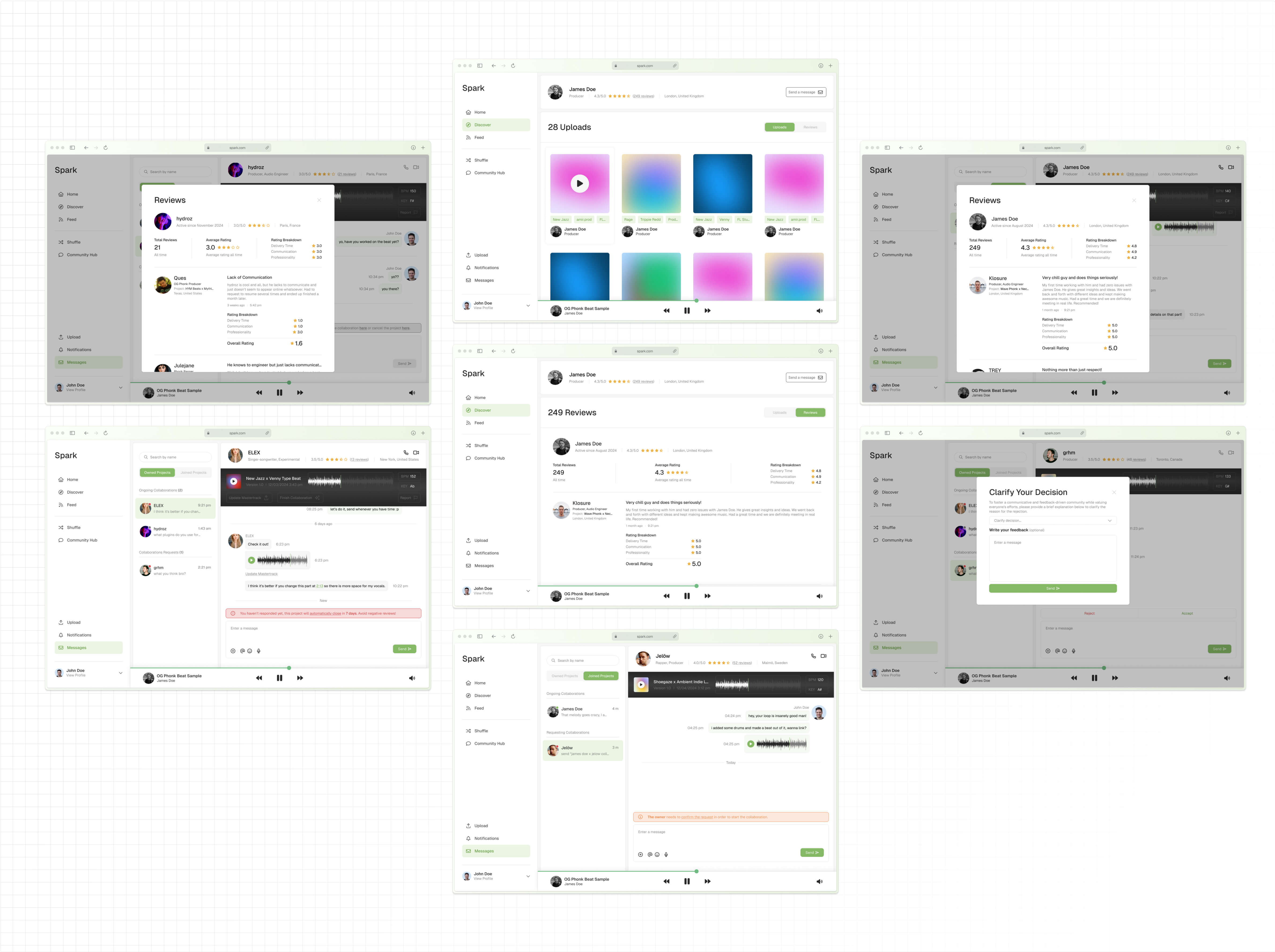
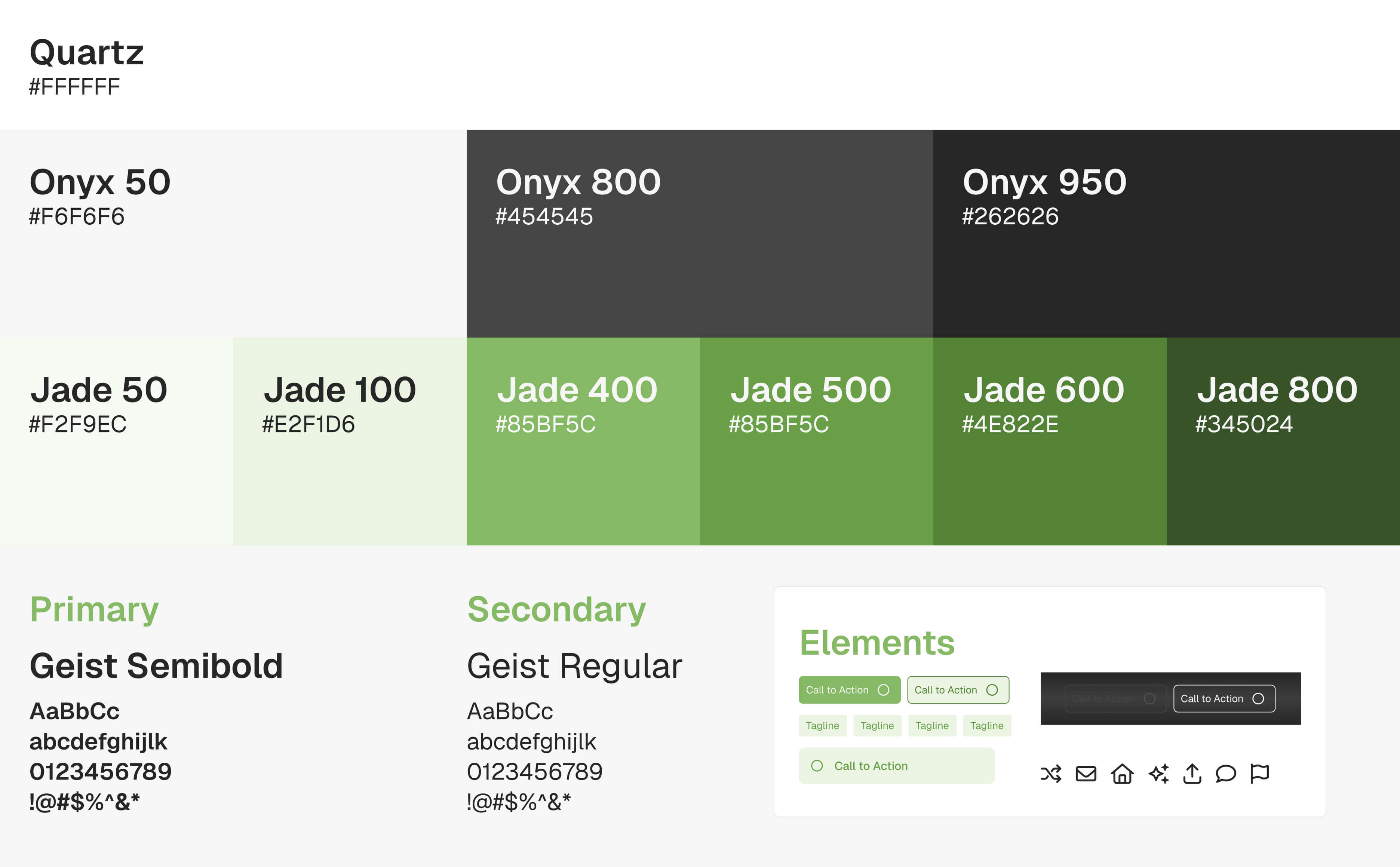
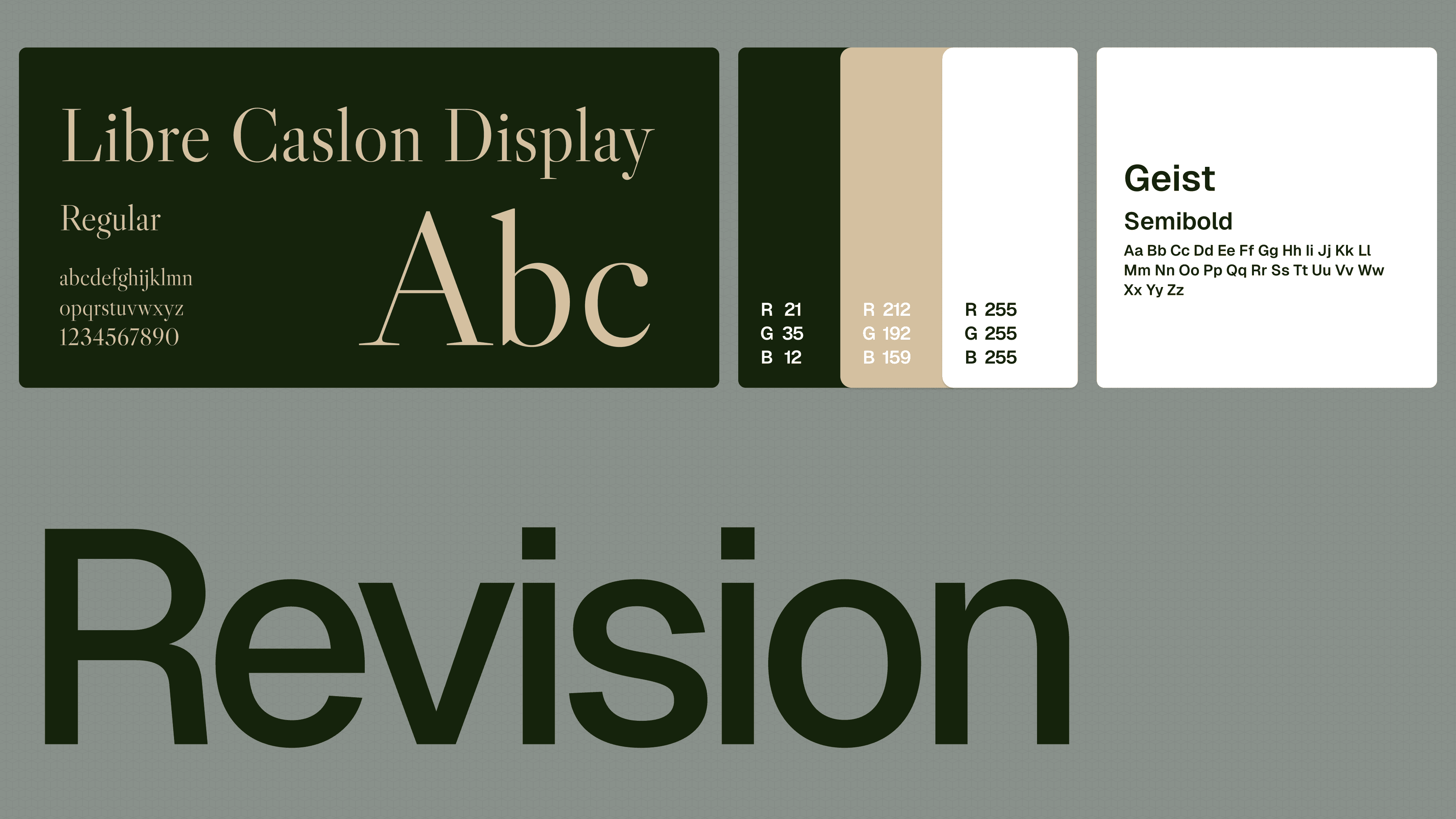
The result is a high-fidelity interactive prototype, supported by a cohesive design system and micro-interactions — crafted to spark spontaneous collaboration within underground music communities.
Problem
Emerging and niche-genre musicians often struggle to find meaningful collaborators due to fragmented communities, genre gatekeeping, and the lack of platforms that support spontaneous, cross-genre discovery. Existing tools focus heavily on self-promotion, follower counts, or tight-knit scenes, making it difficult for lesser-known artists to connect, experiment, and grow through collaboration.
Solution
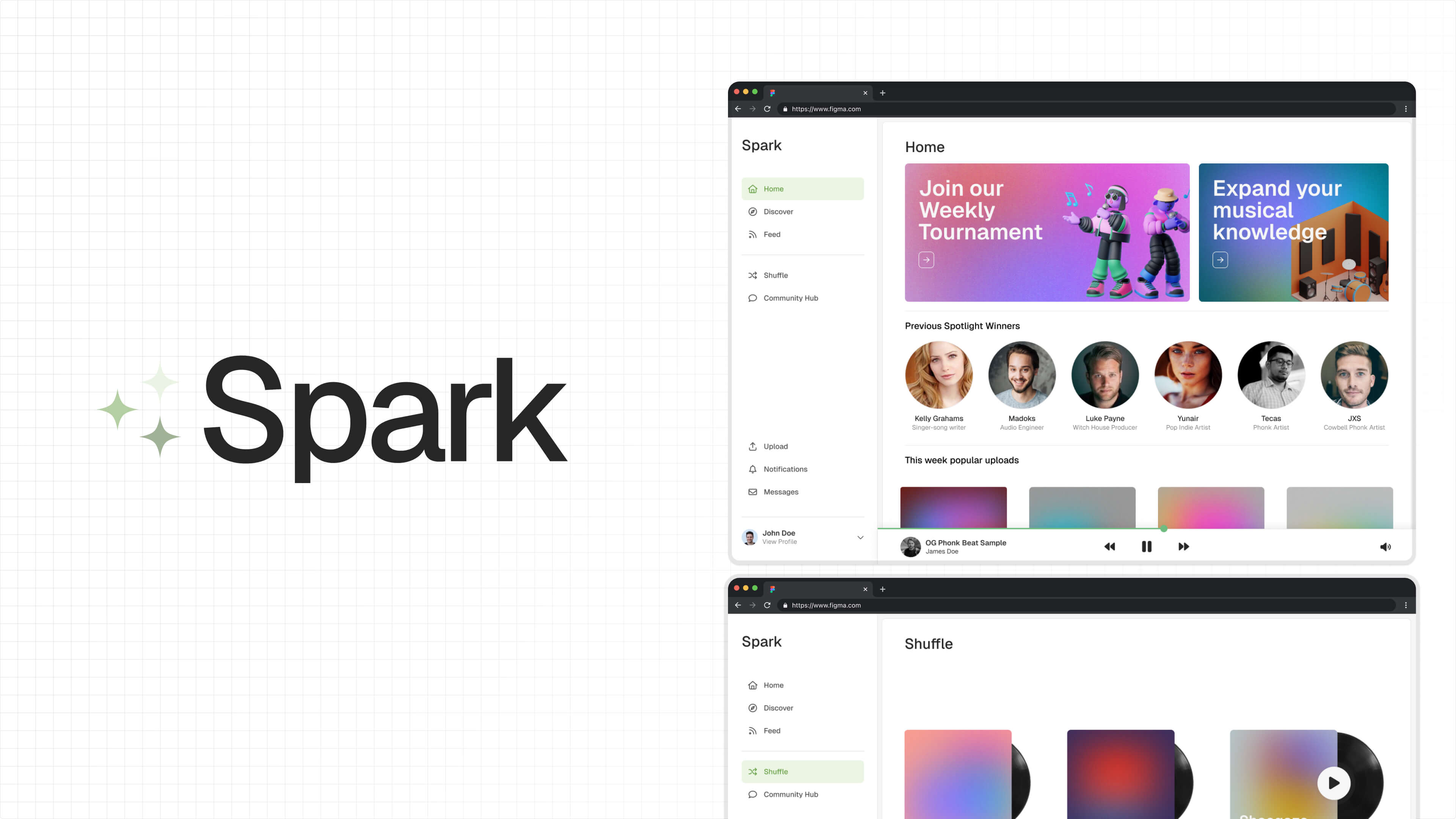
Spark is a digital platform that facilitates spontaneous, authentic collaboration between emerging and niche-genre musicians. Instead of using traditional filters or popularity-based matching, Spark introduces a randomized matchmaking system that pairs artists based on shared creative intent rather than social status or metrics.
The platform integrates essential features from tools musicians already use — such as showcasing work, messaging, sharing files, and co-creating — into one seamless, discovery-driven experience. Through intuitive user flows, a playful interface, and a strong focus on community and experimentation, Spark lowers barriers and encourages musicians to connect outside their usual circles.